


Thoughts on The Battle of Motors
I’ve watched The Battle of Motors, starring two of the biggest names in Russian cinema and beyond: Ivan Yankovsky and Yura Borisov.
I’ll admit, I genuinely enjoyed it, which came as something of a surprise, given that I approached the film with a healthy dose of skepticism. After all, it’s long been common knowledge that Russian cinema does two things well: war movies and sports dramas.
The Battle of Motors is, to some extent, a sports movie too. But not quite.
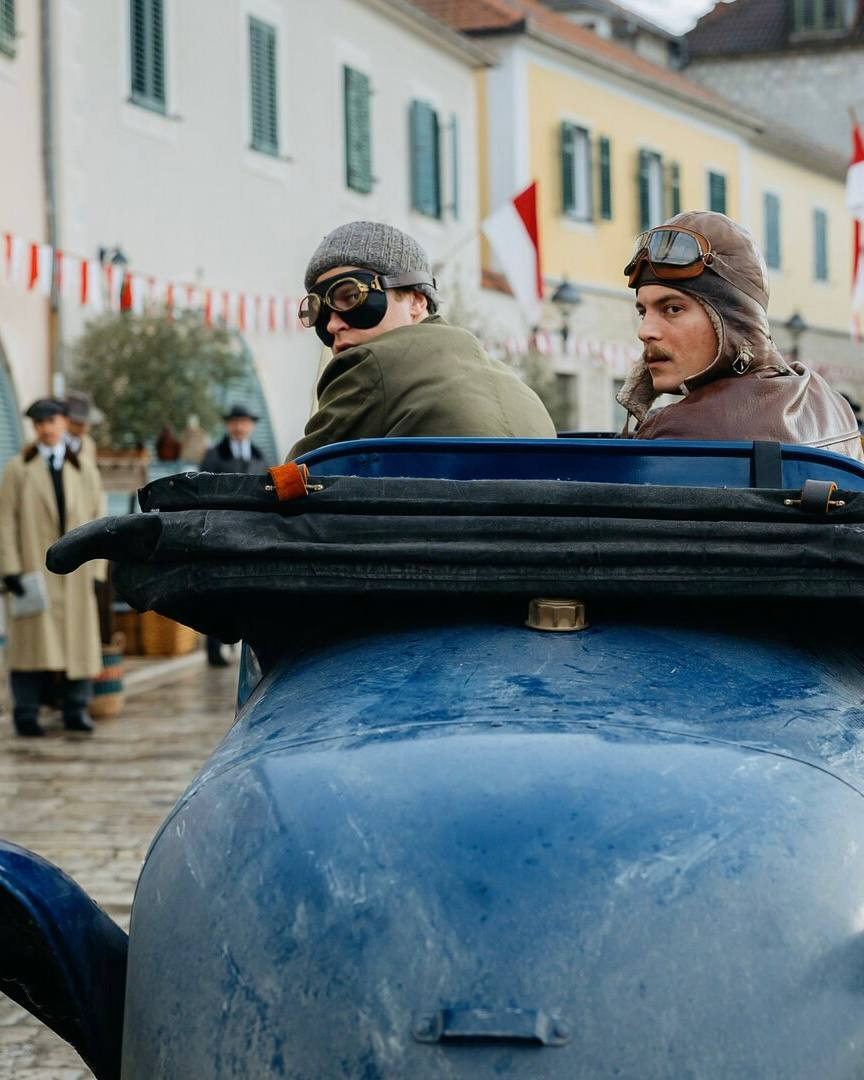
The film tells the story of the creation of the Russo-Balt automobile and the people who set out to prove that a Russian-made car could compete with the finest European models. The result is a solid, spectacular, thoroughly entertaining piece of filmmaking with a distinctly Hollywood feel.
If you’ve seen Ron Howard’s Rush or James Mangold’s Ford v Ferrari, you’ll have a pretty good idea of what to expect. It’s that familiar story of people who believe in their idea more than the world believes in them. First comes the dream, then the team, followed by the first victories, the inevitable setbacks, the fall, and the need to start almost from scratch. And finally, the attempt to prove that it was all worth it.
It’s a classic, familiar formula for anyone who’s watched Hollywood movies. But as practice shows, get the execution right and it still works like a charm.
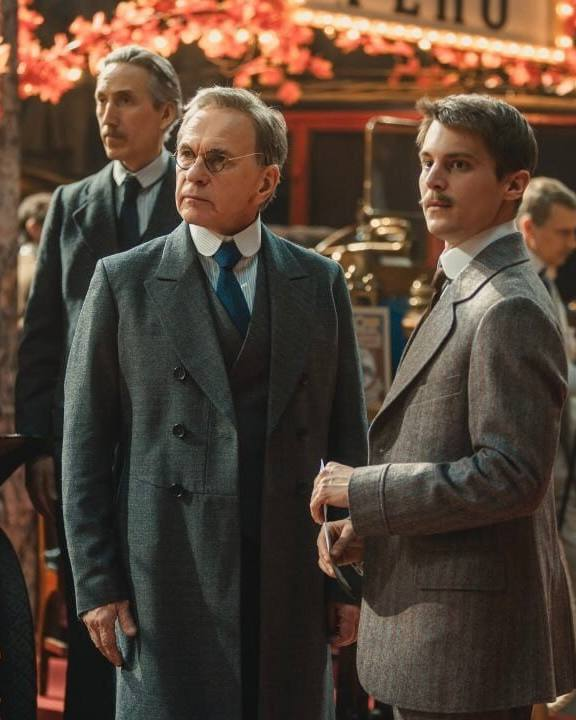
The biggest strength of The Battle of Motors is that it doesn’t try to reinvent the wheel. It simply does a damn good job of driving down a road we already know.
The acting is solid throughout. Ivan Yankovsky and Yura Borisov inhabit their roles convincingly, and the relationship between their characters never feels like an artificial device designed to glue separate scenes together. You believe that behind the car there’s more than just pretty blueprints and ambition. There are people who have invested their time, their energy, and their own reputations in the project.
I’m eagerly awaiting Artificial Intelligence in whatever form it eventually takes. At the very least, Borisov looks set to earn his second Oscar nomination for his role in it.
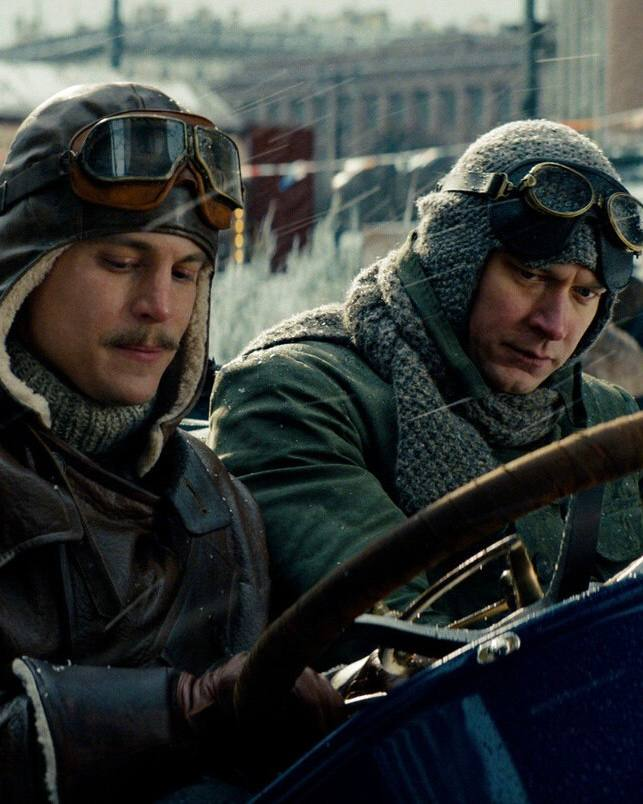
If there’s one element that feels unnecessary, it’s the romantic subplot — and, frankly, Paulina Andreeva’s character herself. Apparently, a good movie is supposed to have a love story. But if that’s the case, it certainly doesn’t have to be this one.
The racing sequences are excellent: dynamic, spectacular, and genuinely gripping. The races are an integral part of the story, complete with tension, risk, and a clear sense of what the next mistake might cost. This is where the film most closely resembles the genre’s finest examples.
Perhaps there’s a little more CGI than I would have liked. But at least it never makes you want to claw your eyes out.
The film has a clear dramatic structure, the right pacing, and enough scale to prevent the whole thing from turning into a drawn-out lecture on the history of the Russian automotive industry. Yes, stories like this have been told dozens of times before. But the point isn’t to astonish audiences with never-before-seen narrative contraptions every single time. Sometimes, all you need is a good story told well enough to keep you hooked until the very end.
By the most important measure — the ability to turn a story about cars into a story about people — The Battle of Motors is every bit as good as Rush and Ford v Ferrari.
Ultimately, this is a film I’d recommend, and not out of some patriotic obligation, nor because Russian cinema must be supported at all costs. We all know what that kind of support looks like when it comes through administrative muscle.
No, I recommend it for the simple reason that it’s good genre filmmaking. It has cars, speed, ambition, and people who once decided that the impossible was merely a problem for which they hadn’t yet found the right solution.
Sometimes, that’s all a good movie needs.
Немного обо мне

Кирилл Киреев
Приветствую всех на странице моего блога, где я выкладываю свои собственные заметки о том, что меня интересует и волнует
-
 Образование в СССР и современной России
-
 Топ СМИ Пензы и Пензенской области. Итоги января и обновленный комплексный рейтинг
-
 Топ СМИ Пензы и Пензенской области. Итоги января и комплексный рейтинг СМИ
-
 Топ СМИ Пензы и Пензенской области. Итоги января и комплексный рейтинг
-
 Топ СМИ Пензы и Пензенской области. Итоги февраля и обновленный комплексный рейтинг
-
 Топ СМИ Пензы и Пензенской области. Итоги ноября и комплексный рейтинг
-
 Топ СМИ Пензы и Пензенской области. Итоги февраля и комплексный рейтинг
-
 История венгерского ресторана «Кёреш»
-
 Топ СМИ Пензы и Пензенской области. Итоги декабря и комплексный рейтинг
-
 Топ СМИ Пензы и Пензенской области. Итоги июня и комплексный рейтинг

-
Образование в СССР и современной России
-
 Новое ЖК «Признание» в Пензе: детали и характеристики
-
Топ СМИ Пензы и Пензенской области. Итоги января и обновленный комплексный рейтинг
-
Топ СМИ Пензы и Пензенской области. Итоги января и комплексный рейтинг
-
 Кафе «Душа» в русском стиле откроется в Арбеково
-
Топ СМИ Пензы и Пензенской области. Итоги февраля и обновленный комплексный рейтинг
-
Топ СМИ Пензы и Пензенской области. Итоги января и комплексный рейтинг СМИ
-
Топ СМИ Пензы и Пензенской области. Итоги ноября и комплексный рейтинг
-
 Мнение о фильме «Достать ножи: Стеклянная луковица»
-
 Чебуреки от «Чебуречницы»: достойное качество по адекватной цене